
Orthopedics is a vital medical specialty that deals with the health of the musculoskeletal system, which includes bones, joints, muscles, ligaments, tendons, and the spine. This system plays a crucial role in supporting the body, enabling movement, protecting vital organs, and maintaining overall physical stability. Any disorder or injury affecting this system can limit mobility, cause chronic pain, and reduce quality of life.
With modern lifestyles becoming increasingly sedentary and stress-filled, orthopedic problems are now affecting people of all age groups. From children to senior citizens, bone and joint issues have become one of the most common health concerns worldwide.
At Angel Hospital, the Orthopedics Department provides advanced, patient-focused care aimed at relieving pain, restoring movement, and improving long-term musculoskeletal health.
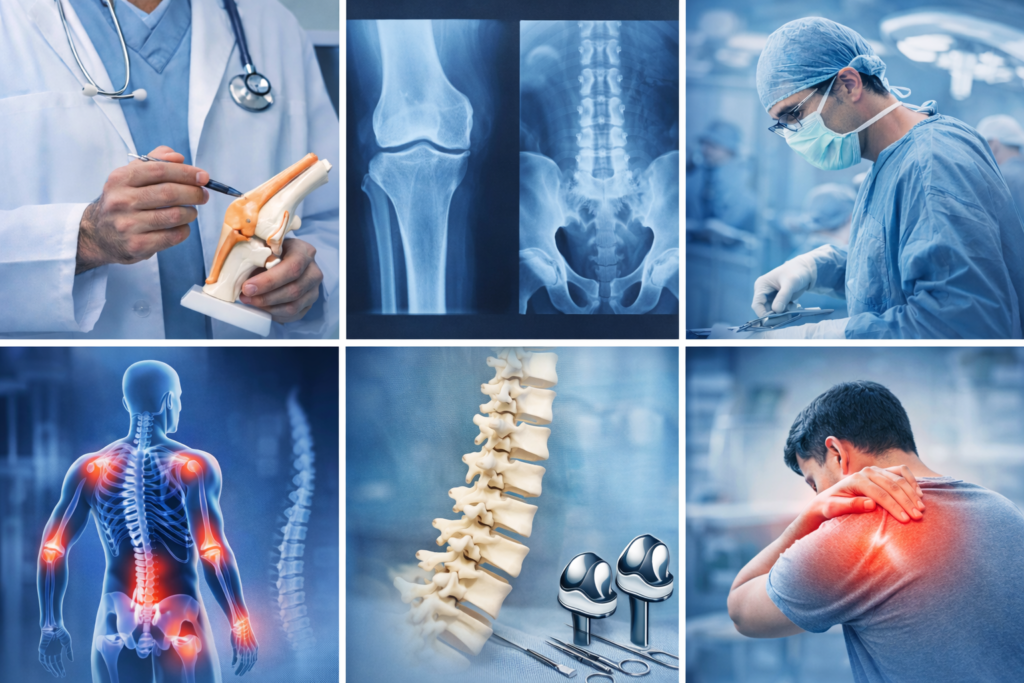
Understanding the Musculoskeletal System
The musculoskeletal system is a complex network responsible for posture, balance, flexibility, and movement. It allows us to perform daily activities such as walking, sitting, lifting objects, and even simple movements like bending or stretching.
When any part of this system is affected—whether due to injury, aging, disease, or overuse—it can disrupt normal body function. Orthopedic specialists are trained to diagnose and treat such conditions using medical, physical, and surgical methods.
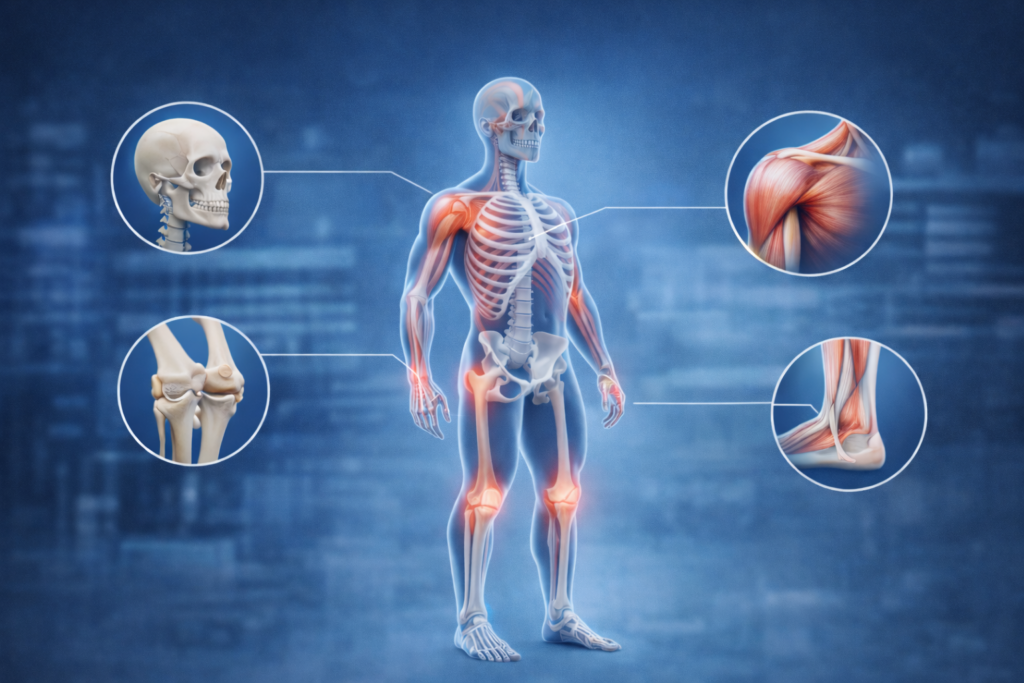
Conditions Treated in Orthopedics
Orthopedics covers a wide range of conditions, both acute and chronic. Some of the most commonly treated orthopedic problems include:
Bone-Related Conditions
- Fractures and bone injuries
- Delayed bone healing
- Osteoporosis
- Bone infections
- Congenital bone deformities
Joint Disorders
- Knee pain
- Hip pain
- Shoulder pain
- Frozen shoulder
- Arthritis (osteoarthritis, rheumatoid arthritis)
- Joint stiffness and reduced mobility
Spine and Back Problems
- Lower back pain
- Neck pain
- Slip disc
- Sciatica
- Spinal deformities
- Degenerative spine conditions
Muscle, Ligament, and Tendon Injuries
- Muscle strains
- Ligament tears
- Tendon injuries
- Sports-related injuries
- Repetitive stress injuries
Causes of Orthopedic Problems
Orthopedic issues can arise due to multiple factors, including:
- Accidents and trauma
- Sports injuries
- Aging and wear-and-tear of joints
- Poor posture and long sitting hours
- Obesity and excess body weight
- Nutritional deficiencies
- Lack of physical activity
- Repetitive movements at work
Early identification of these causes helps in preventing complications and long-term damage.
Symptoms That Should Not Be Ignored
Many people delay medical attention, assuming pain will resolve on its own. However, persistent symptoms may indicate a serious orthopedic condition. Warning signs include:
- Continuous or worsening pain
- Swelling or redness around joints
- Stiffness and difficulty moving
- Numbness or weakness
- Clicking or grinding sounds in joints
- Deformity after injury
- Pain that affects sleep or daily activities
Consulting an orthopedic specialist at the right time can prevent further deterioration.
Diagnostic Methods in Orthopedics
Accurate diagnosis is the foundation of effective orthopedic treatment. Common diagnostic tools include:
- Physical examination
- X-rays
- MRI scans
- CT scans
- Blood tests
- Bone density tests
At Angel Hospital, advanced diagnostic technology ensures precise evaluation and timely treatment planning.
Non-Surgical Orthopedic Treatments
Not all orthopedic problems require surgery. Many conditions can be managed successfully with conservative treatment methods such as:
- Pain management medications
- Anti-inflammatory therapy
- Physiotherapy and exercise programs
- Lifestyle and posture correction
- Weight management
- Braces and supports
- Joint injections
These treatments aim to reduce pain, improve movement, and prevent disease progression.
Surgical Orthopedic Treatments
When non-surgical methods are not effective, surgery may be recommended. Modern orthopedic surgery focuses on safety, precision, and faster recovery.
Common orthopedic surgeries include:
- Fracture fixation
- Arthroscopic surgery
- Knee replacement surgery
- Hip replacement surgery
- Spine surgery
- Ligament and tendon repair
Minimally invasive techniques are often used to reduce pain, scarring, and recovery time.
Role of Physiotherapy and Rehabilitation
Treatment alone is not enough for complete recovery. Rehabilitation plays a critical role in restoring strength, flexibility, and function. Physiotherapy helps patients regain confidence in movement and return to normal activities safely.
A structured rehabilitation program also prevents future injuries and improves long-term outcomes.
Orthopedic Care Across Different Age Groups
Children and Adolescents
Orthopedic care helps manage growth-related problems, sports injuries, and congenital conditions.
Adults
Work-related strain, sports injuries, and posture issues are common in adults and require timely orthopedic attention.
Elderly Patients
Age-related joint degeneration, arthritis, and fractures are common and need specialized care to maintain independence and mobility.
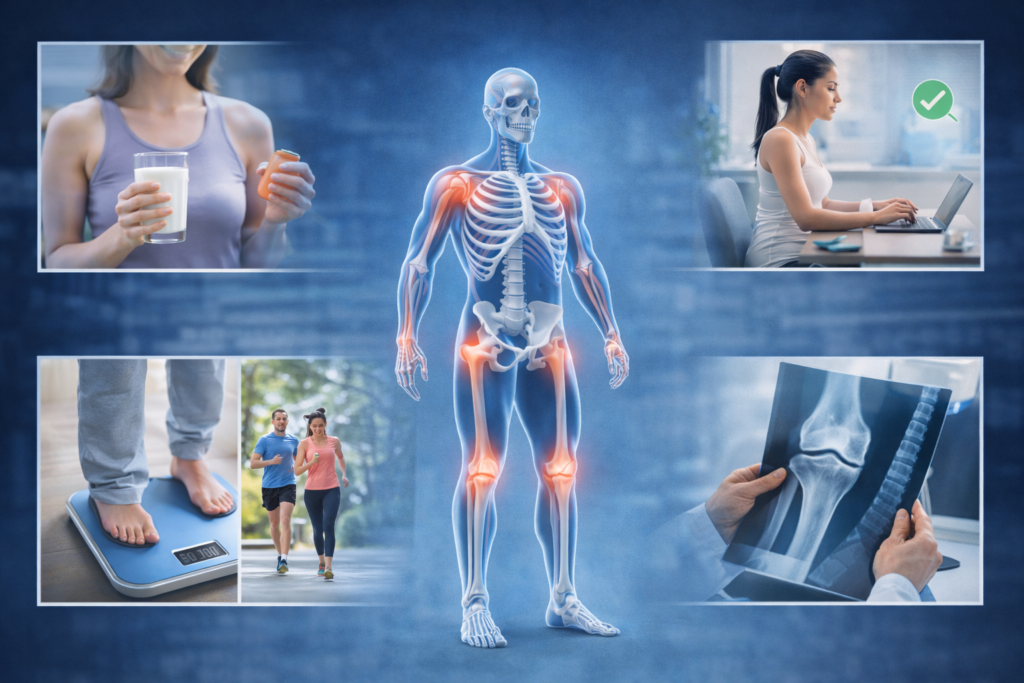
Importance of Preventive Orthopedic Care
Prevention is as important as treatment. Simple habits can help maintain bone and joint health:
- Regular exercise
- Balanced diet rich in calcium and vitamin D
- Maintaining healthy body weight
- Correct posture
- Avoiding excessive strain
- Early medical consultation
Why Choose Angel Hospital for Orthopedic Care?
Angel Hospital is committed to delivering high-quality orthopedic care with a patient-first approach. Our team of experienced orthopedic specialists uses modern technology and evidence-based treatments to ensure the best possible outcomes.
From diagnosis and treatment to rehabilitation and follow-up care, every patient receives personalized attention in a safe and supportive environment.
When to Visit an Orthopedic Specialist
You should consult an orthopedic doctor if you experience persistent pain, difficulty in movement, repeated injuries, or any condition affecting your bones or joints. Early intervention leads to quicker recovery and better quality of life.
Conclusion
Orthopedics is essential for maintaining mobility, independence, and overall physical health. Bone and joint problems, if ignored, can limit daily activities and lead to chronic discomfort. With timely care, expert guidance, and advanced treatment options, most orthopedic conditions can be effectively managed.
At Angel Hospital, we are dedicated to helping patients move better, live healthier, and enjoy a pain-free life through comprehensive orthopedic care.
For expert orthopedic care, visit Angel Hospital today.contact us