Neurology – Brain, Spine, and Nerve Health
Neurology is a specialized branch of medicine that deals with the diagnosis, treatment, and management of disorders affecting the brain, spinal cord, nerves, and muscles. The nervous system is the body’s control center, responsible for regulating movement, sensation, memory, speech, balance, and vital functions such as breathing and heartbeat. Even minor disturbances in this complex system can significantly impact a person’s quality of life, making neurological care critically important.
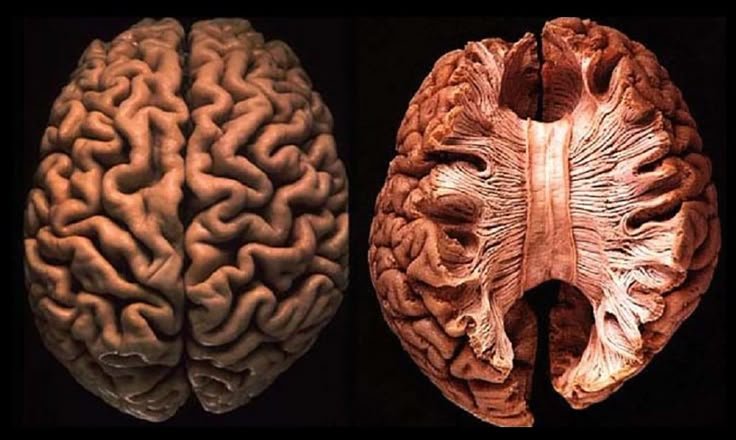
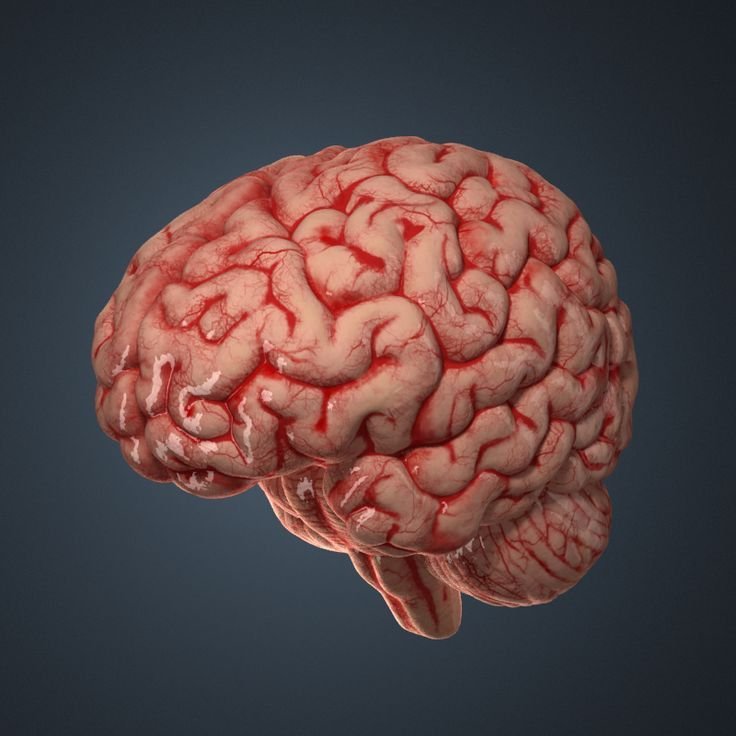
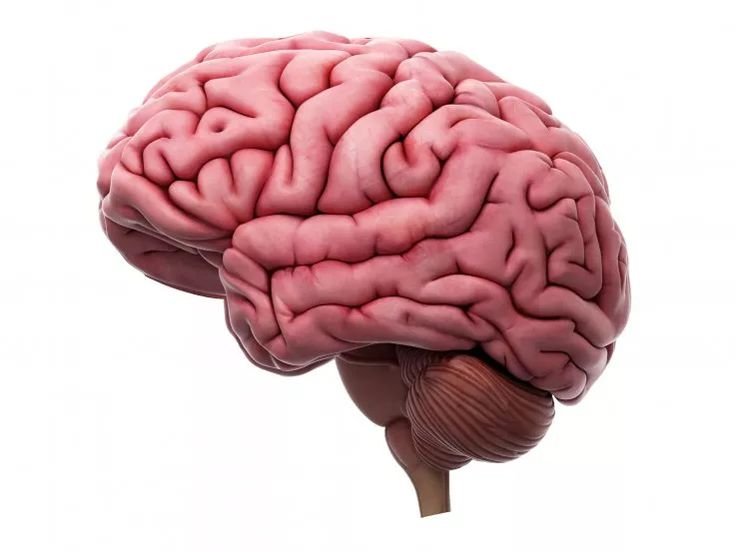
At a neurological level, the brain acts as the command center, processing information and sending signals throughout the body. The spinal cord serves as the main communication pathway between the brain and the rest of the body, while peripheral nerves transmit signals to muscles, organs, and sensory receptors. Neurology focuses on understanding how these components work together and how diseases or injuries disrupt their normal functioning.
Common Neurological Conditions
Neurologists treat a wide range of conditions, from common to highly complex disorders. These include headaches and migraines, epilepsy and seizure disorders, stroke, Parkinson’s disease, Alzheimer’s disease, multiple sclerosis, nerve injuries, brain tumors, spinal disorders, and neuromuscular diseases. Symptoms such as numbness, tingling, weakness, tremors, memory loss, and difficulty speaking or walking often indicate an underlying neurological issue that requires prompt evaluation.
Stroke care is one of the most critical areas in neurology, as timely treatment can save lives and prevent permanent disability. Similarly, chronic neurological disorders like epilepsy or Parkinson’s disease require long-term management, medication adjustment, and continuous monitoring.
Diagnosis and Advanced Evaluation
Neurological diagnosis relies on detailed clinical evaluation combined with advanced diagnostic tools. A neurologist carefully assesses a patient’s medical history, symptoms, reflexes, muscle strength, coordination, and sensory responses. Based on this assessment, tests such as MRI, CT scans, EEG, EMG, nerve conduction studies, and laboratory investigations may be recommended.
Early and accurate diagnosis is essential in neurology, as many disorders respond better to treatment when detected at an early stage. Advanced imaging and technology help in planning effective treatment strategies.
Treatment and Management
Treatment in neurology varies depending on the condition and its severity. It may include medications, lifestyle modifications, physiotherapy, occupational therapy, speech therapy, and when required, referral for neurosurgical intervention. Long-term care often involves a multidisciplinary approach to ensure holistic recovery.
Preventive Neurology Care
Preventive care plays a crucial role in maintaining neurological health. Managing risk factors such as high blood pressure, diabetes, obesity, stress, and unhealthy lifestyle habits can significantly reduce the risk of stroke and other neurological diseases. Early recognition of warning signs and timely medical attention can be life-saving.
Emergency Neurology Services: Available 24/7