
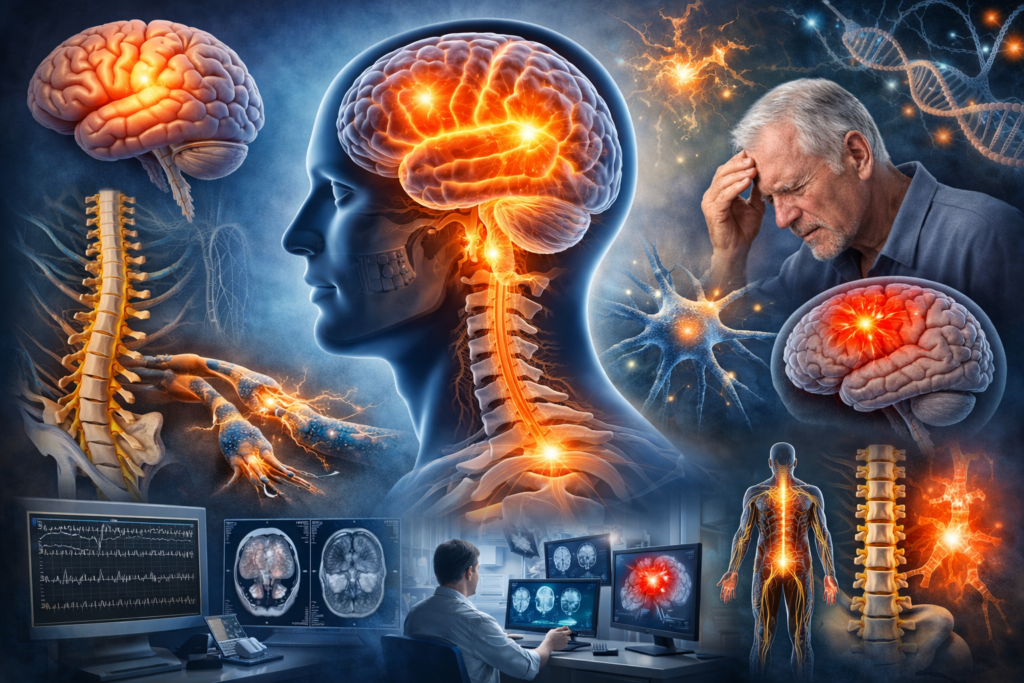
Neurology is one of the most complex and essential branches of medical science. It deals with disorders of the nervous system, which includes the brain, spinal cord, peripheral nerves, and muscles. The nervous system controls every action of the human body—both voluntary and involuntary. From thinking, learning, memory, speech, and emotions to walking, breathing, heartbeat, and digestion, everything is regulated by this intricate system Angel hospital .
Any disruption in neurological function can deeply impact physical health, mental well-being, and daily life. That is why neurology requires specialized knowledge, advanced diagnostic tools, and expert medical care.
What Is Neurology?
Neurology is the medical specialty that focuses on identifying, diagnosing, treating, and managing diseases of the nervous system. Doctors who specialize in this field are called neurologists. They are trained to handle both sudden neurological emergencies and long-term chronic conditions.
Neurology covers a wide range of disorders—from common headaches to life-threatening strokes and progressive neurodegenerative diseases. Because the nervous system is highly sensitive and interconnected, even minor damage can lead to serious complications if not treated on time.
Structure of the Nervous System
The nervous system is divided into multiple interconnected parts that work together seamlessly:
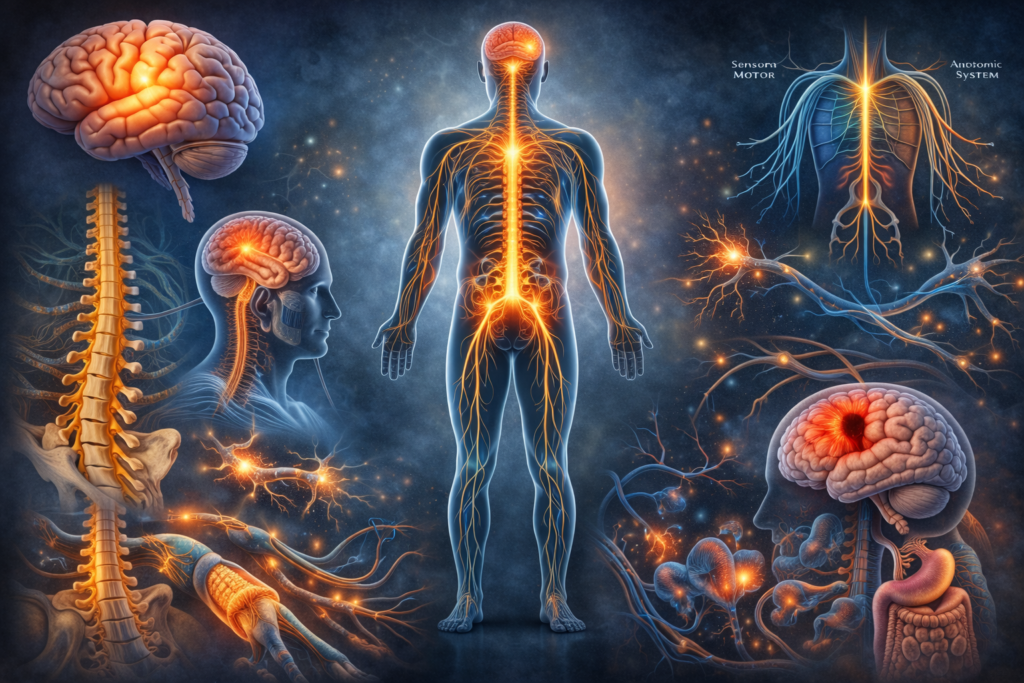
Central Nervous System (CNS)
The CNS includes the brain and spinal cord.
- The brain processes information, controls thoughts, emotions, memory, and behavior.
- The spinal cord acts as a communication highway, carrying messages between the brain and the rest of the body.
Peripheral Nervous System (PNS)
The PNS consists of nerves that extend from the brain and spinal cord to muscles, skin, and organs. It helps transmit sensory information and motor commands.
Autonomic Nervous System
This system regulates involuntary body functions such as:
- Heart rate
- Blood pressure
- Digestion
- Breathing
- Body temperature
Any disorder affecting these systems can lead to neurological symptoms requiring immediate medical attention.
Major Neurological Conditions Treated
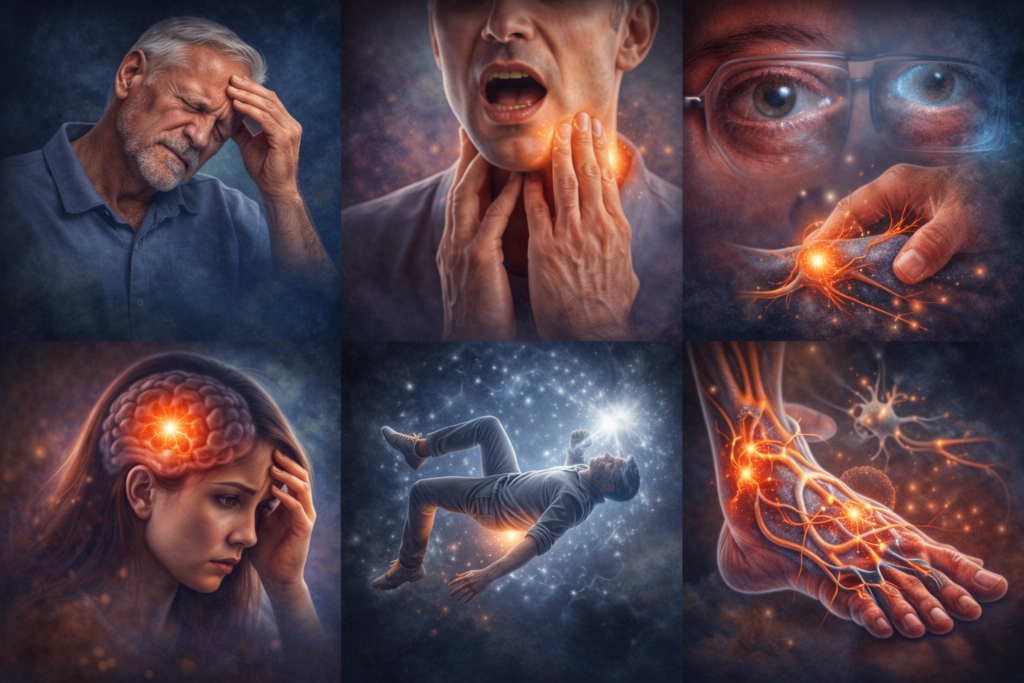
Neurology covers a vast spectrum of conditions, including but not limited to:
Headache and Migraine Disorders
Migraines and chronic headaches are among the most common neurological complaints. These conditions may be triggered by stress, hormonal changes, sleep disorders, or neurological imbalances. Proper neurological evaluation helps reduce pain, frequency, and severity.
Epilepsy and Seizure Disorders
Epilepsy is characterized by repeated, unprovoked seizures due to abnormal electrical activity in the brain. Neurologists use EEG, imaging studies, and medications to control seizures and improve patient safety.
Stroke and Brain Vascular Disorders
A stroke occurs when blood supply to the brain is interrupted due to a blockage or bleeding. It is a medical emergency. Early neurological intervention can save lives and reduce long-term disability.
Parkinson’s Disease and Movement Disorders
These conditions affect muscle control, coordination, and balance. Neurology treatment focuses on slowing disease progression and improving movement and independence.
Alzheimer’s Disease and Dementia
Neurodegenerative diseases gradually affect memory, thinking ability, and behavior. Early diagnosis allows better planning, symptom management, and supportive care.
Peripheral Neuropathy
Nerve damage can cause numbness, tingling, burning pain, and weakness, especially in hands and feet. Diabetes, infections, vitamin deficiencies, and trauma are common causes.
Spinal Cord Disorders
Injuries, infections, or degenerative diseases of the spine can lead to chronic pain, paralysis, or loss of sensation, requiring expert neurological care.
Neuromuscular Disorders
These disorders affect nerve-to-muscle communication, leading to muscle weakness and fatigue. Early neurological assessment is essential for effective management.
Warning Signs You Should Not Ignore
Neurological symptoms can vary widely. Seek immediate neurological consultation if you notice:
- Sudden severe headache
- Weakness or numbness on one side of the body
- Difficulty speaking or understanding speech
- Vision problems or dizziness
- Seizures or unexplained fainting
- Memory loss or confusion
- Loss of balance or coordination
- Chronic nerve pain or muscle weakness
Early detection plays a vital role in preventing permanent damage.
Advanced Diagnostic Techniques in Neurology
Accurate diagnosis is the foundation of effective neurological treatment. Neurologists use advanced tools such as:
- MRI and CT scans to visualize brain and spine structures
- EEG to record brain electrical activity
- Nerve conduction studies and EMG to evaluate nerve and muscle function
- Blood tests to identify infections, deficiencies, or autoimmune disorders
- Lumbar puncture for cerebrospinal fluid analysis
These investigations help pinpoint the exact cause of neurological symptoms.
Treatment Approaches in Neurology
Neurological treatment is personalized based on the condition, severity, and patient’s overall health. Treatment may include:
- Medications to control symptoms and disease progression
- Lifestyle changes such as stress management, sleep regulation, and diet
- Physical therapy to improve mobility and strength
- Occupational therapy for daily activity support
- Long-term monitoring for chronic neurological diseases
- Emergency neurological care for acute conditions like stroke or seizures
The goal is to restore function, manage symptoms, and enhance quality of life.
Role of Preventive Neurology
Preventive care plays an important role in neurology. Regular checkups, controlling blood pressure, managing diabetes, maintaining a healthy lifestyle, and early screening can reduce the risk of many neurological disorders.
Education and awareness empower patients to recognize early symptoms and seek timely medical care.
Why Specialized Neurology Care Matters
Neurological conditions often require long-term management and multidisciplinary care. Specialized neurology departments combine expert neurologists, advanced diagnostic facilities, and comprehensive treatment plans to ensure accurate care and better outcomes.
With modern technology and experienced specialists, many neurological disorders can be effectively managed, allowing patients to live active and fulfilling lives.
Final Thoughts
Neurology is the backbone of modern medicine, protecting the most vital and sensitive system of the human body. Understanding neurological health, recognizing warning signs, and seeking expert care at the right time can prevent serious complications and improve long-term well-being.
Visit for Expert Neurology Consultation
To learn more about our Neurology services or to book an appointment with experienced neurologists,
👉 Click here to visit our website and get expert neurological care todayNeurology is one of the most complex and essential branches of medical science. It deals with disorders of the nervous system, which includes the brain, spinal cord, peripheral nerves, and muscles. The nervous system controls every action of the human body—both voluntary and involuntary. From thinking, learning, memory, speech, and emotions to walking, breathing, heartbeat, and digestion, everything is regulated by this intricate system.
Any disruption in neurological function can deeply impact physical health, mental well-being, and daily life. That is why neurology requires specialized knowledge, advanced diagnostic tools, and expert medical care.
What Is Neurology?
Neurology is the medical specialty that focuses on identifying, diagnosing, treating, and managing diseases of the nervous system. Doctors who specialize in this field are called neurologists. They are trained to handle both sudden neurological emergencies and long-term chronic conditions.
Neurology covers a wide range of disorders—from common headaches to life-threatening strokes and progressive neurodegenerative diseases. Because the nervous system is highly sensitive and interconnected, even minor damage can lead to serious complications if not treated on time.
Structure of the Nervous System
The nervous system is divided into multiple interconnected parts that work together seamlessly:
Central Nervous System (CNS)
The CNS includes the brain and spinal cord.
- The brain processes information, controls thoughts, emotions, memory, and behavior.
- The spinal cord acts as a communication highway, carrying messages between the brain and the rest of the body.
Peripheral Nervous System (PNS)
The PNS consists of nerves that extend from the brain and spinal cord to muscles, skin, and organs. It helps transmit sensory information and motor commands.
Autonomic Nervous System
This system regulates involuntary body functions such as:
- Heart rate
- Blood pressure
- Digestion
- Breathing
- Body temperature
Any disorder affecting these systems can lead to neurological symptoms requiring immediate medical attention.
Major Neurological Conditions Treated
Neurology covers a vast spectrum of conditions, including but not limited to:
Headache and Migraine Disorders
Migraines and chronic headaches are among the most common neurological complaints. These conditions may be triggered by stress, hormonal changes, sleep disorders, or neurological imbalances. Proper neurological evaluation helps reduce pain, frequency, and severity.
Epilepsy and Seizure Disorders
Epilepsy is characterized by repeated, unprovoked seizures due to abnormal electrical activity in the brain. Neurologists use EEG, imaging studies, and medications to control seizures and improve patient safety.
Stroke and Brain Vascular Disorders
A stroke occurs when blood supply to the brain is interrupted due to a blockage or bleeding. It is a medical emergency. Early neurological intervention can save lives and reduce long-term disability.
Parkinson’s Disease and Movement Disorders
These conditions affect muscle control, coordination, and balance. Neurology treatment focuses on slowing disease progression and improving movement and independence.
Alzheimer’s Disease and Dementia
Neurodegenerative diseases gradually affect memory, thinking ability, and behavior. Early diagnosis allows better planning, symptom management, and supportive care.
Peripheral Neuropathy
Nerve damage can cause numbness, tingling, burning pain, and weakness, especially in hands and feet. Diabetes, infections, vitamin deficiencies, and trauma are common causes.
Spinal Cord Disorders
Injuries, infections, or degenerative diseases of the spine can lead to chronic pain, paralysis, or loss of sensation, requiring expert neurological care.
Neuromuscular Disorders
These disorders affect nerve-to-muscle communication, leading to muscle weakness and fatigue. Early neurological assessment is essential for effective management.
Warning Signs You Should Not Ignore
Neurological symptoms can vary widely. Seek immediate neurological consultation if you notice:
- Sudden severe headache
- Weakness or numbness on one side of the body
- Difficulty speaking or understanding speech
- Vision problems or dizziness
- Seizures or unexplained fainting
- Memory loss or confusion
- Loss of balance or coordination
- Chronic nerve pain or muscle weakness
Early detection plays a vital role in preventing permanent damage.
Advanced Diagnostic Techniques in Neurology
Accurate diagnosis is the foundation of effective neurological treatment. Neurologists use advanced tools such as:
- MRI and CT scans to visualize brain and spine structures
- EEG to record brain electrical activity
- Nerve conduction studies and EMG to evaluate nerve and muscle function
- Blood tests to identify infections, deficiencies, or autoimmune disorders
- Lumbar puncture for cerebrospinal fluid analysis
These investigations help pinpoint the exact cause of neurological symptoms.
Treatment Approaches in Neurology
Neurological treatment is personalized based on the condition, severity, and patient’s overall health. Treatment may include:
- Medications to control symptoms and disease progression
- Lifestyle changes such as stress management, sleep regulation, and diet
- Physical therapy to improve mobility and strength
- Occupational therapy for daily activity support
- Long-term monitoring for chronic neurological diseases
- Emergency neurological care for acute conditions like stroke or seizures
The goal is to restore function, manage symptoms, and enhance quality of life.
Role of Preventive Neurology
Preventive care plays an important role in neurology. Regular checkups, controlling blood pressure, managing diabetes, maintaining a healthy lifestyle, and early screening can reduce the risk of many neurological disorders.
Education and awareness empower patients to recognize early symptoms and seek timely medical care.
Why Specialized Neurology Care Matters
Neurological conditions often require long-term management and multidisciplinary care. Specialized neurology departments combine expert neurologists, advanced diagnostic facilities, and comprehensive treatment plans to ensure accurate care and better outcomes.
With modern technology and experienced specialists, many neurological disorders can be effectively managed, allowing patients to live active and fulfilling lives.
Final Thoughts
Neurology is the backbone of modern medicine, protecting the most vital and sensitive system of the human body. Understanding neurological health, recognizing warning signs, and seeking expert care at the right time can prevent serious complications and improve long-term well-being.
Visit for Expert Neurology Consultation
To learn more about our Neurology services or to book an appointment with experienced neurologists,
👉 Click here to visit our website and get expert neurological care today book appointment