
Gastroenterology is a vital branch of medical science dedicated to the health of the digestive system. The digestive system is responsible for breaking down food, absorbing nutrients, supporting immunity, regulating metabolism, and eliminating waste from the body. Because digestion directly impacts nearly every function of the body, even small digestive problems can lead to discomfort, weakness, nutritional deficiencies, and chronic disease if left untreated.
Gastroenterology focuses not only on treating digestive disorders but also on preventing long-term complications through early diagnosis, lifestyle guidance, and advanced medical care. With modern diagnostic tools and specialized treatments, gastroenterologists help patients maintain long-term digestive health and overall well-being.
Understanding the Digestive System
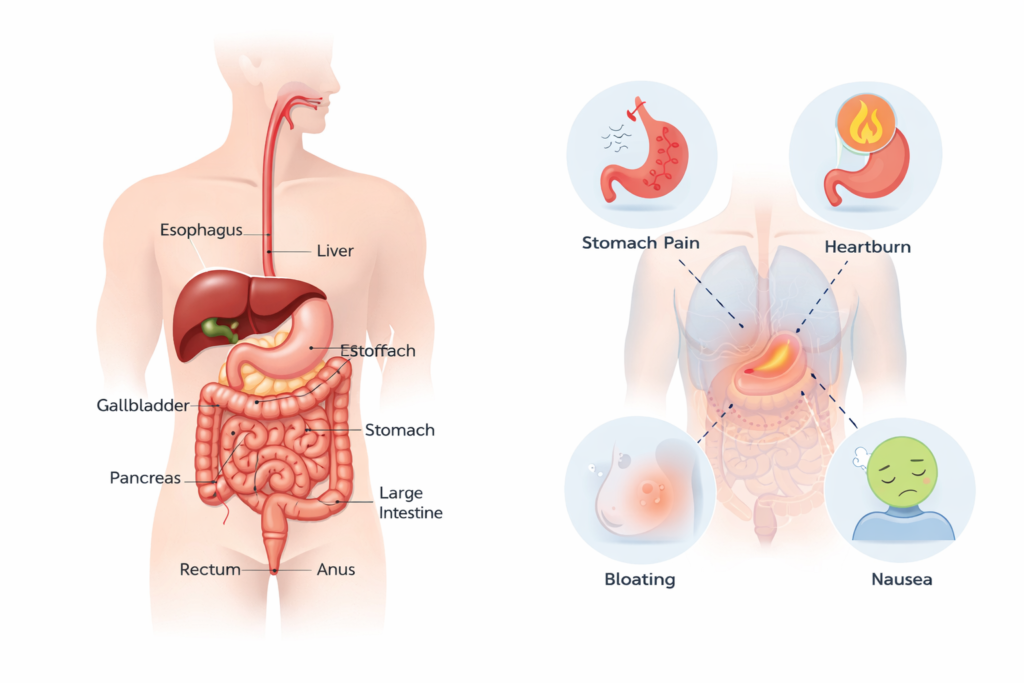
The digestive system is a complex network of organs that work together to process food and maintain balance in the body. It includes:
- Esophagus – transports food from mouth to stomach
- Stomach – breaks down food using acid and enzymes
- Small Intestine – absorbs nutrients and vitamins
- Large Intestine (Colon) – absorbs water and forms stool
- Liver – processes nutrients, detoxifies blood, produces bile
- Gallbladder – stores bile for digestion of fats
- Pancreas – produces digestive enzymes and hormones
- Rectum and Anus – eliminate waste
When any of these organs do not function properly, digestive symptoms begin to appear. Gastroenterology addresses diseases related to all these organs in a comprehensive and scientific manner.
Why Gastroenterology Is Important
Digestive health affects energy levels, immunity, mental clarity, weight management, and overall quality of life. Poor digestion can lead to chronic fatigue, anemia, infections, and serious organ damage. Many digestive diseases progress slowly and show mild symptoms at first, which is why regular medical evaluation is important.
Gastroenterology plays a key role in:
- Early detection of serious diseases
- Long-term management of chronic conditions
- Prevention of digestive system complications
- Improving nutrition absorption and gut health
Common Gastroenterological Conditions
Gastroenterology treats a wide range of digestive disorders, from common problems to complex diseases.
Acid Reflux and GERD
Acid reflux occurs when stomach acid flows back into the esophagus, causing heartburn and irritation. Chronic acid reflux leads to GERD, which can damage the esophagus if untreated.
Gastritis and Peptic Ulcer Disease
Inflammation of the stomach lining causes pain, indigestion, nausea, and bloating. Ulcers may develop due to infections, medications, or excess acid production.
Liver Disorders
Liver diseases include fatty liver disease, hepatitis, liver infections, cirrhosis, and liver failure. Gastroenterologists monitor liver function and guide treatment to prevent permanent damage.
Irritable Bowel Syndrome (IBS)
IBS affects bowel habits and causes abdominal pain, bloating, diarrhea, or constipation. Although not life-threatening, it requires long-term management.
Inflammatory Bowel Disease (IBD)
Conditions such as Crohn’s disease and ulcerative colitis cause chronic intestinal inflammation and may require lifelong medical care.
Constipation and Chronic Diarrhea
Persistent bowel problems can indicate digestive imbalance, infection, or underlying disease and should not be ignored.
Gallbladder Diseases
Gallstones and gallbladder inflammation can cause severe abdominal pain and digestive difficulty, often requiring specialized care.
Pancreatic Disorders
Diseases of the pancreas can affect digestion and blood sugar control, leading to serious health issues if untreated.
Warning Signs That Need Medical Attention
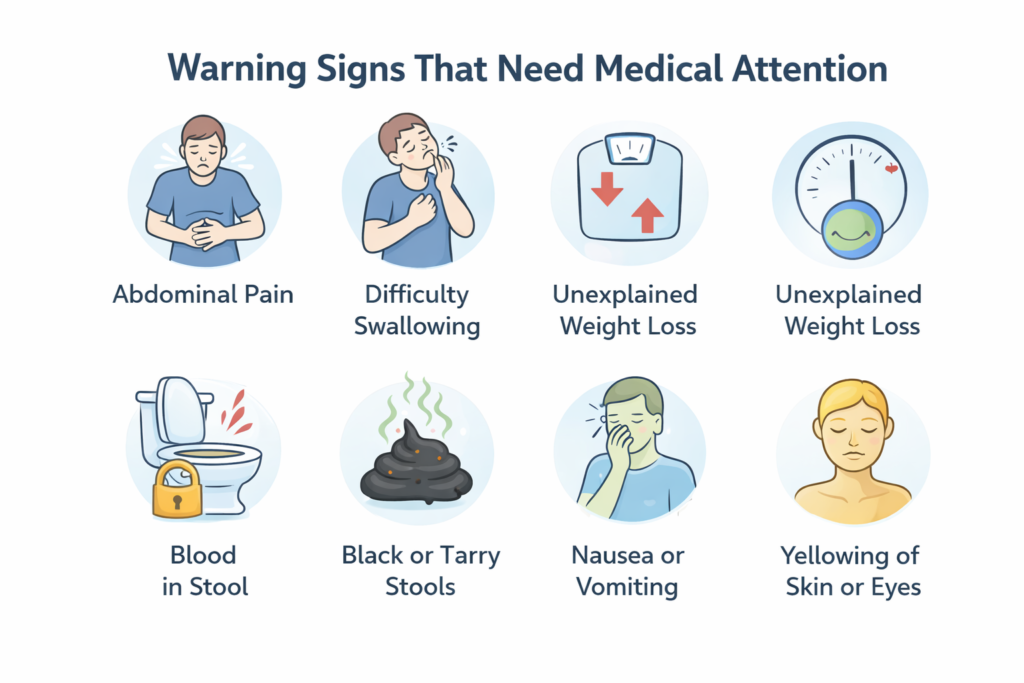
Digestive symptoms should never be ignored if they persist. Consult a gastroenterologist if you experience:
- Persistent abdominal pain or cramps
- Frequent acidity or heartburn
- Difficulty swallowing
- Chronic constipation or diarrhea
- Blood in stool
- Black or tarry stools
- Unexplained weight loss
- Loss of appetite
- Nausea or vomiting
- Yellowing of skin or eyes
Early consultation helps prevent complications and improves treatment success.
Diagnostic Methods in Gastroenterology
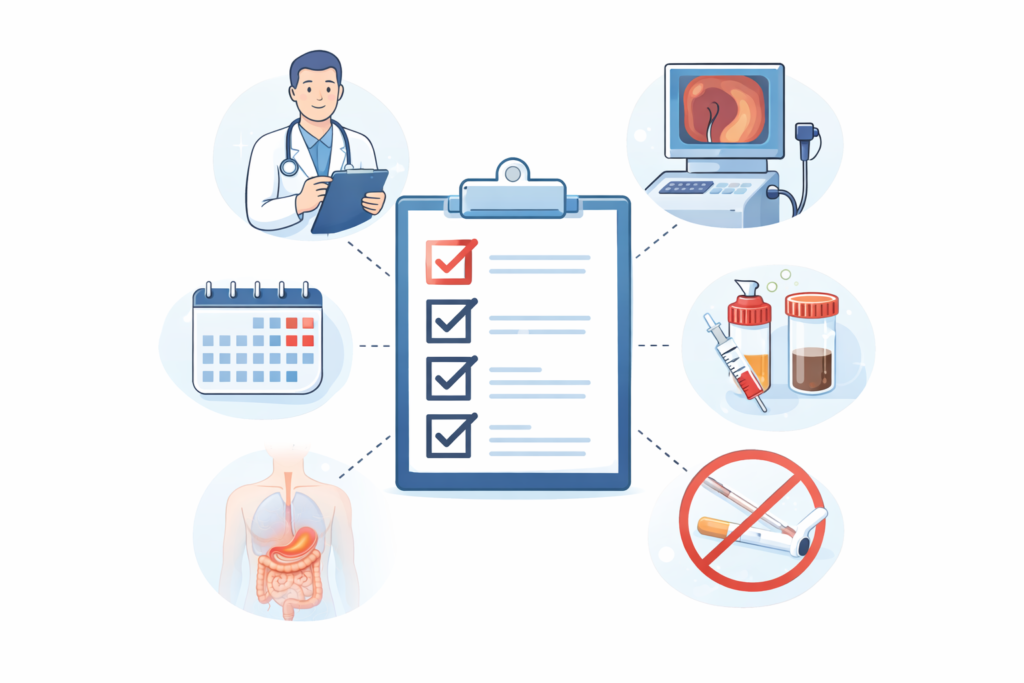
Accurate diagnosis is essential for effective treatment. Gastroenterologists use advanced investigations such as:
- Endoscopy to examine the esophagus and stomach
- Colonoscopy to evaluate the colon and rectum
- Ultrasound and CT scans for abdominal organs
- Liver function tests
- Stool and blood tests
- Biopsy for tissue examination
These tests help identify the exact cause of digestive problems and guide targeted treatment.
Treatment Approaches in Gastroenterology
Treatment depends on the condition, severity, and patient health. Gastroenterology care may include:
- Medications to control acid, infection, or inflammation
- Dietary counseling and nutrition planning
- Lifestyle modifications for gut health
- Endoscopic procedures for diagnosis and therapy
- Long-term disease monitoring and follow-up
The aim is to relieve symptoms, treat the root cause, and restore digestive balance.
Role of Diet and Lifestyle in Digestive Health
Healthy eating habits play a major role in preventing digestive disorders. A balanced diet rich in fiber, adequate hydration, regular exercise, and stress management support gut health. Avoiding smoking, excessive alcohol, and unhealthy food choices reduces the risk of many gastrointestinal diseases.
Lifestyle correction combined with medical treatment leads to better long-term outcomes.

Preventive Gastroenterology Care
Preventive care helps detect digestive diseases early, even before symptoms appear. Regular health checkups, screening tests, and liver evaluations help reduce the risk of serious digestive complications.
Awareness and timely medical consultation are key to maintaining digestive wellness.
Why Specialized Gastroenterology Care Matters
Digestive diseases can affect multiple organs and often require long-term care. Specialized gastroenterology departments provide expert doctors, modern equipment, and personalized treatment plans. With proper care, most digestive conditions can be effectively managed and controlled.
Final Words
Gastroenterology is essential for maintaining a healthy digestive system and overall body balance. Early diagnosis, expert treatment, and lifestyle guidance can prevent serious complications and improve quality of life. Taking digestive symptoms seriously is an important step toward long-term health and well-being.
Visit for Expert Gastroenterology Consultation
To learn more about our Gastroenterology services or to consult an experienced specialist,
👉 Click here to visit our website and book an appointment today book appointment